
Spare keys: keep an access record without advertising your address
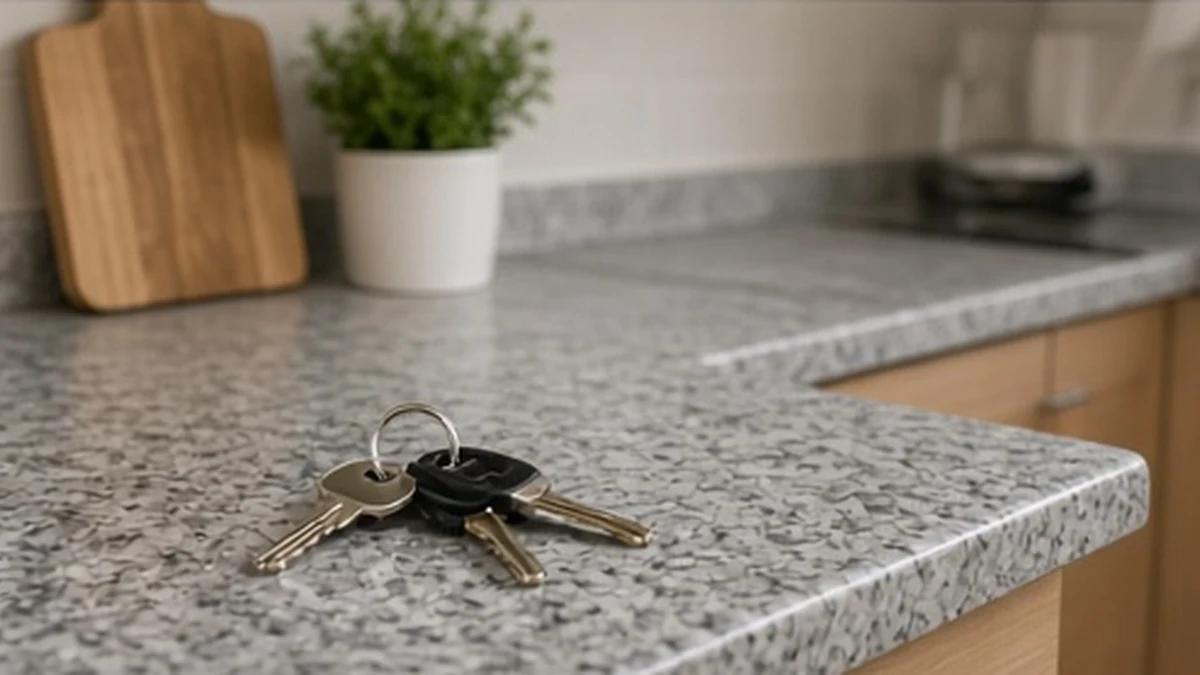
Write down who holds a spare key. Keep that list somewhere private, separate from the key itself. The point is to know who can get in, not to create a public map of your home's access.
Make the list useful
Record the door or area, the person holding the copy and when you last checked that arrangement. Include keys lent for a temporary job and ask for them back when the arrangement ends.
Avoid labels that identify the full home address. Do not share a close photograph of a key online or send an access code into a group conversation where it may be forwarded.
When one is missing
The PSA advises considering the potential security risk and thinking about a lock change if you cannot account for all front-door keys. Discuss the circumstances with a PSA-licensed locksmith. The appropriate work needs an assessment of the actual door and access arrangements.
Do not assume that making another copy addresses an unknown copy. Equally, do not accept an expensive whole-door package without an explanation of why it is needed.
If other people control access too
For a rented home, check the landlord-consent position before changing the entry locking system. For shared building access, ask the agent or management company about the correct process. Our tenant guide covers the first issue.
Verify any locksmith through the PSA register. Keep the agreed quote and final work record with your household paperwork. This is general preventive housekeeping, not a promise about the security of a particular lock.